




Also of Interest
Kenya AA Top - Gikirima
Log in to view price
| Bag Weight | 60 KG BAG |
|---|---|
| Harvest Season | 2024/25 |
| Status | ETA Jun 2025 |
| Lot Number | P613524-3 |
About This Coffee
History of Coffee in Kenya
It seems likely that coffee grew wild within the region that would become Kenya, buried deep inside impenetrable forests, or perhaps hiding in plain site; but it wasn’t until 1895 that missionaries both protestant and catholic attempted to grow coffee for commercial purposes. The 100 seeds from Reunion Island that would serve as progenitors to the Kenyan coffee industry arrived on a train, carried by priests belonging to an order known as “Holy Ghost Fathers.” On August 12th, 1899, they arrived at the spot that would quickly become the country’s capital city. One of the early protestant medical missionaries was Dr. Henry Scott. After his death in 1911, a new hospital complex was named after Dr. Scott and when the department of agriculture took over the complex in 1923 they kept the name: Scott Agricultural Laboratories, or “Scott Labs.” This is the origin of the “SL” in SL28 and other coffee varieties selected at the lab.
- Region Embu
- Farm Name Various smallholders
- Producer Type Washing Station
- Processing Washed
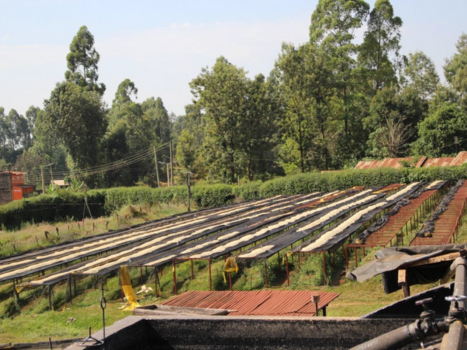
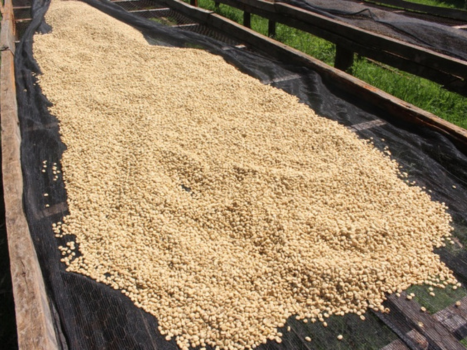
- Processing Description 24hr fermentation, dried on raised beds
- Bag Type Grain Pro / Ecotact
- Plant Species Arabica
- Variety Ruiru 11, SL28, SL34
- Min Growing Altitude 1800m
- Max Growing Altitude 1900m
- Co-Op Kibugu Farmer’s Cooperative Society
- On Sale No
- Top Lot No
- Status Afloat
- Coffee Grade KEN CA WA AA TOP
- CTRM Contract Number P613524-3
- Country of Origin Kenya
- Warehouse The Annex CA